How to Cut Your Generator Bill Without Living in the Dark
Need it done, not just explained? Certified electricians in Beirut - Open 24/7, all work to code. WhatsApp us now
Generator supply in Lebanon is sold by amperage, which changes the whole logic of saving. You are not economising on hours used; you are managing peak draw. That means the biggest wins come from a small number of appliances, and from maintenance rather than sacrifice.
- Cooling and heating water are almost always the two largest draws in a Lebanese home.
- A dirty or undercharged air conditioner draws more for less cooling — maintenance is a direct saving.
- Lighting is a small share of the load, but it is the easiest fully to eliminate.
- Voltage protection saves money indirectly, by not replacing appliances.
Where the amperes actually go
Before changing anything, it helps to know the rough order of demand in a typical Lebanese apartment. The list is short, and it is not what most people expect.
| Load | Why it matters on generator supply | What you can do |
|---|---|---|
| Air conditioning | Highest sustained draw in summer, and a big start-up spike | Service it, size it right, set it sensibly, cool fewer rooms |
| Electric water heater | A large fixed load whenever it heats | Descale it, heat on a schedule rather than continuously |
| Water pump | Short bursts, but a high starting current | Correct sizing and a healthy pressure vessel reduce cycling |
| Fridge and freezer | Runs continuously, all year | Keep coils clean, seals intact, and not against a hot wall |
| Washing machine on hot cycles | The heating element is the load, not the motor | Wash cooler where practical |
| Lighting | Small share today, but constant | LED throughout — cheap, immediate, permanent |
| Standby electronics | Individually trivial, collectively noticeable | Switched strips on entertainment and office clusters |
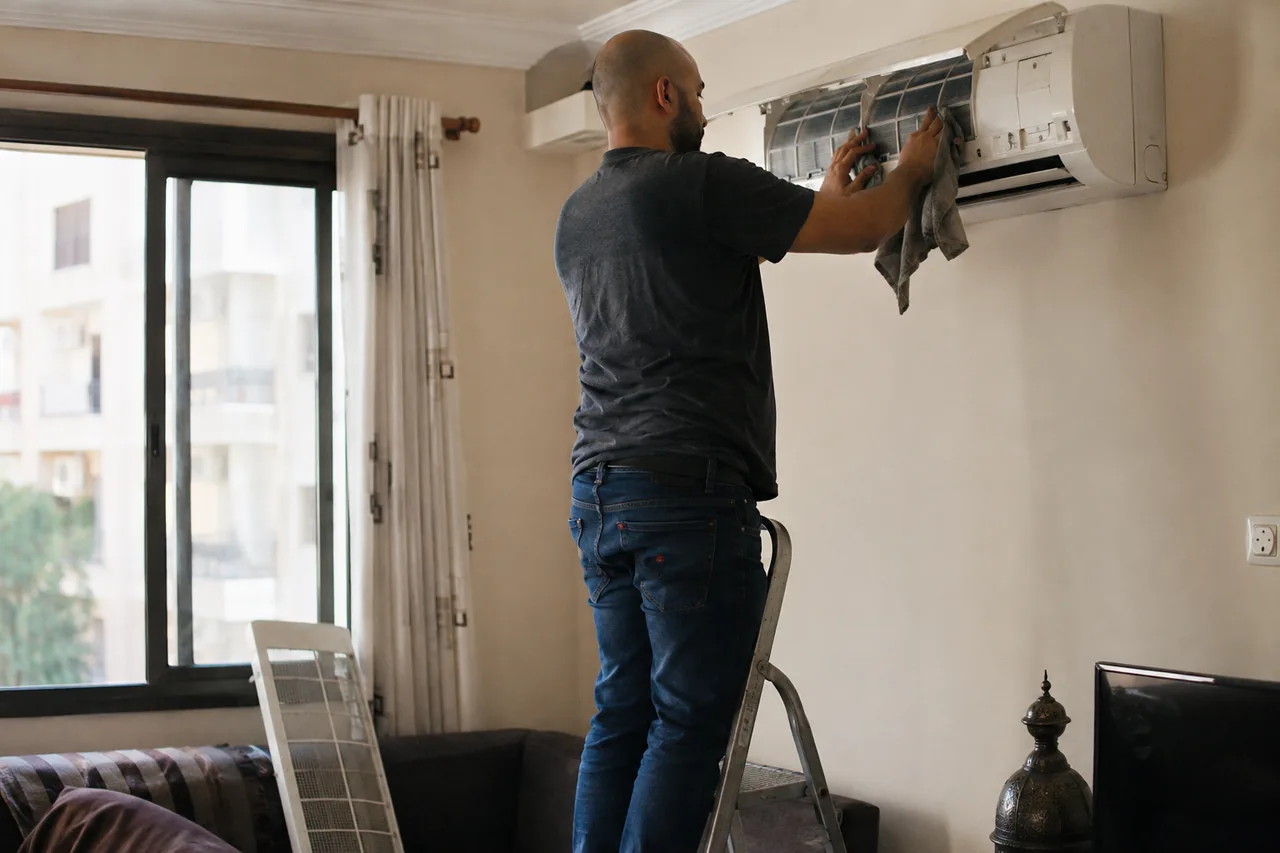
Maintenance is the cheapest saving
This is the part people skip because it does not feel like an upgrade. It is nonetheless where the reliable savings are.
- Clean the AC properly
Filters monthly in summer, coils and drain by a technician before the season. A choked condenser makes the compressor work harder for every hour it runs.
- Descale the water heater
Scale on the element means longer heating cycles for the same hot water. See our water heater guide.
- Check the pump and pressure vessel
A failed vessel makes the pump start and stop constantly, and starting current is where pumps cost you.
- Clean the fridge condenser coils
A dusty coil on an appliance that never switches off is a permanent tax on your bill.
- Fix the leaks
A dripping hot tap is water you paid to heat, running into the drain around the clock.
Equipment changes, in order of impact
- Inverter air conditioning. Inverter compressors modulate instead of hammering on and off, which cuts both peak draw and total consumption. The highest-impact replacement in most homes.
- A water heater timer or schedule. Heating water on a schedule rather than continuously removes a large load from your peak hours.
- Full LED lighting. Small saving per fitting, but immediate, permanent and cheap.
- Solar water heating. If you have roof access and are renovating anyway, it removes one of the two largest loads outright.
- A correctly sized pump. An oversized pump short-cycles; a healthy pressure vessel and correct sizing reduce starts.
- Panel-level voltage protection. It does not lower draw, but it stops the appliance replacements that dwarf any monthly saving — see generator safety.
The habit that saves most on generator supply costs nothing: close the doors of rooms you are not using, run one unit rather than three, and set a temperature you can live with rather than the lowest one available. Every degree lower is more compressor time.
Building-level problems you cannot fix from inside
Sometimes the bill is not about your apartment. If the building's generator is undersized or the distribution is poor, everyone pays for it. Signs worth raising with the syndic include voltage sagging whenever a lift or a large load starts, frequent changeover faults, and apartments reporting the same appliance failures.
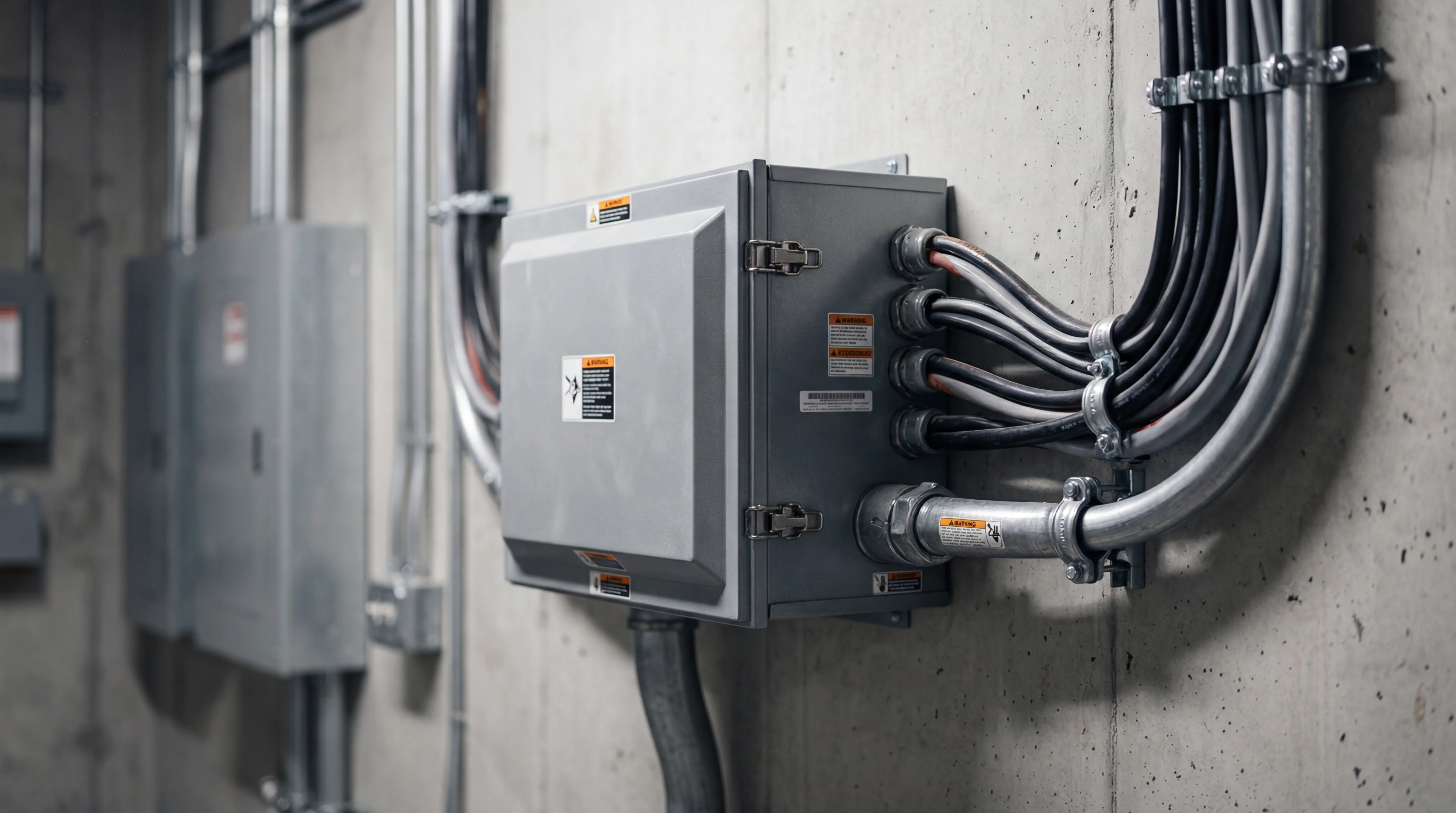
Common-area electrical work — changeover equipment, distribution, protection and load balancing — is the sort of scope we handle under a building maintenance contract.
You will save more by servicing the two biggest loads in your home than by switching anything off.
The honest summary
For electrical inspections, protection and panel work, see our electrical division. For servicing that actually lowers draw, see HVAC.
For an inverter unit, leaving it at a steady sensible temperature is usually better, because restarts cost the most. For an old on-off unit, switching it off when you leave for hours does save.
Solar water heating is a strong, well-proven fit for Lebanese roofs. Solar electricity depends heavily on roof access, structure and how you intend to use it — it needs a real assessment, not a rule of thumb.
Usually a maintenance issue — a failing pressure vessel, a scaled heater, a dirty condenser — or a supply issue at building level. All are diagnosable.
Yes. An electrical inspection identifies the actual loads and the condition of the equipment producing them, which is more useful than generic advice.
Need it done, not just explained? Certified electricians in Beirut - Open 24/7, all work to code. WhatsApp us now
All articles · Book on WhatsApp: +961 76 480 946