The Beirut Home Maintenance Calendar
Need it done, not just explained? Turnkey renovation contractors in Beirut - Every trade under one contract. WhatsApp us now
Almost every expensive home repair we are called to could have been a cheap one six months earlier. Lebanese buildings fail in a seasonal rhythm — rain finds the roof in November, humidity finds the walls in spring, and the electrical system gets tested every single day. Here is the calendar we work to.
- The single highest-value job of the year is checking drainage and roof detail before the first heavy rain.
- Servicing HVAC before summer costs a fraction of an emergency call during it.
- Most damp is not plumbing — it is façade, roof or condensation.
- Two panel checks a year is the right cadence for a dual-supply building.
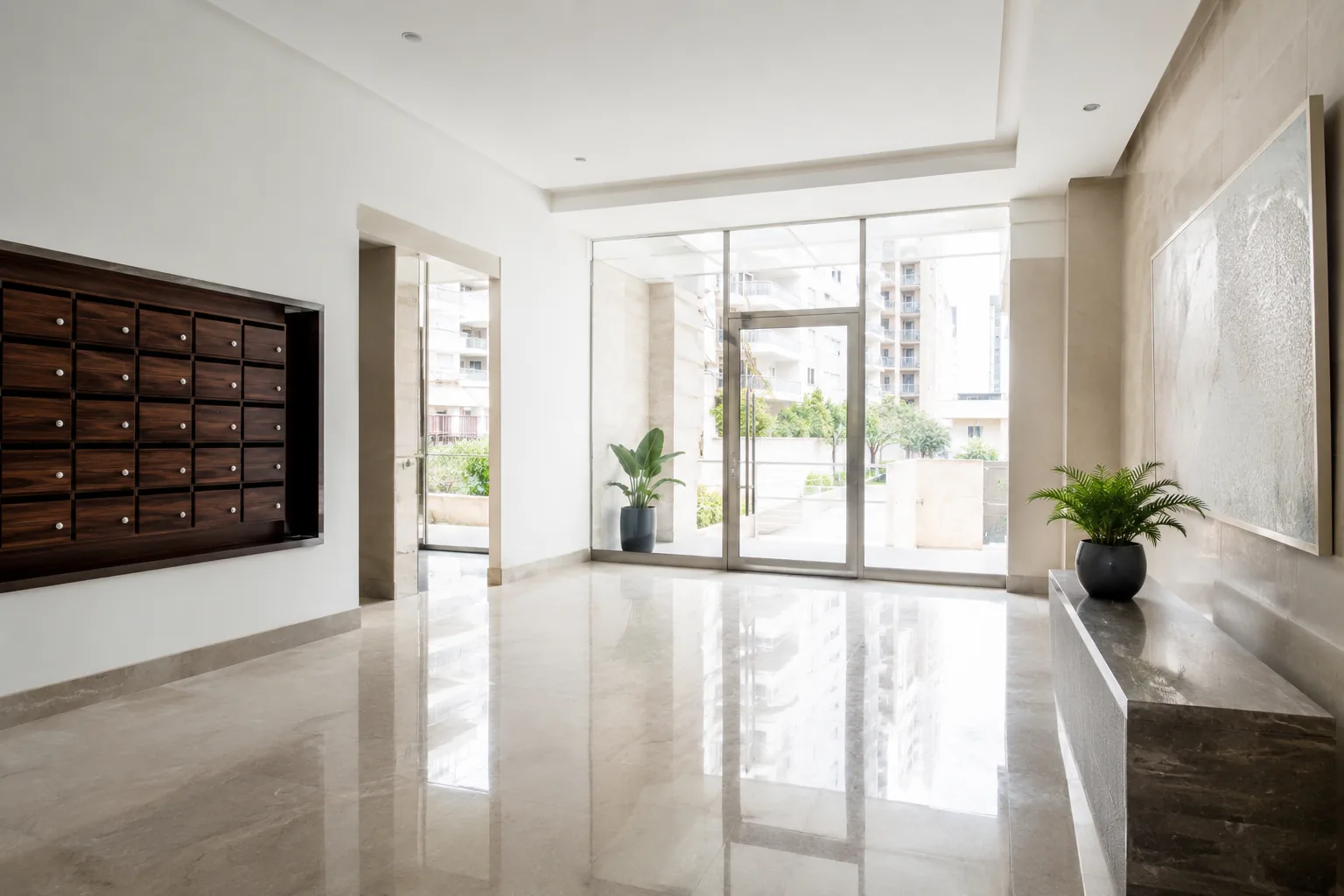
Autumn — before the rains
This is the most important window in the Lebanese calendar. Everything that goes wrong in winter is decided in September and October.
- Clear every roof drain, gutter and balcony outlet. A single blocked outlet turns a flat roof into a pond, and standing water finds every weakness in the membrane.
- Inspect the roof membrane and upstands. Look at joints, parapet details and anywhere a pipe penetrates. Splits at the upstand are the classic failure.
- Check window and door seals. Aluminium frames with perished gaskets leak water into the reveal, and the damage shows up as damp on an internal wall.
- Look at façade cracks and pointing. Wind-driven rain enters through hairline cracks and travels sideways before it appears inside.
- Test the water pump and its electrics. The pump you ignore in October is the one that fails during a storm.
- Service the heating before you need it. Everyone calls in the same fortnight; book ahead of it.
Get on the roof, or have someone go up, and clear the drains. It is the cheapest job on this page and it prevents the most expensive one on it. See our waterproofing division for membrane repair and roof detailing.
Winter — damp season
Winter is diagnosis season. Damp that appears now tells you where the building is weak, and the evidence disappears in spring, so record it while you can.
- Photograph every damp patch, with the date
Patterns matter. Damp that appears only during driving rain from one direction is a façade problem, not plumbing.
- Distinguish condensation from ingress
Condensation forms on cold surfaces, in corners and behind furniture, and is worst in unventilated rooms. Ingress follows weather.
- Ventilate, even when it is cold
Lebanese apartments trap a lot of moisture. Ten minutes of cross-ventilation a day prevents a great deal of mould.
- Check the electrical panel after storms
Moisture and voltage events cluster in winter. A visual check for corrosion and heat marks is quick.
- Watch the ceiling below wet rooms
A bathroom waterproofing failure upstairs shows first as a faint stain downstairs.
Spring — before summer load
- Full HVAC service. Coils, filters, drain lines and refrigerant pressures, before the first heatwave rather than during it.
- Clear the AC condensate route. A blocked drain is the most common summer callout and it always drips onto something you care about.
- Descale the water heater. Easier to do when nobody minds a cold day.
- Repaint what winter damaged. Deal with the cause first — repainting over active damp just hides it for a season. See painting.
- Check silicone in wet areas. Perished bathroom and kitchen silicone lets water behind tiles, which is how a cheap job becomes a tiling job.
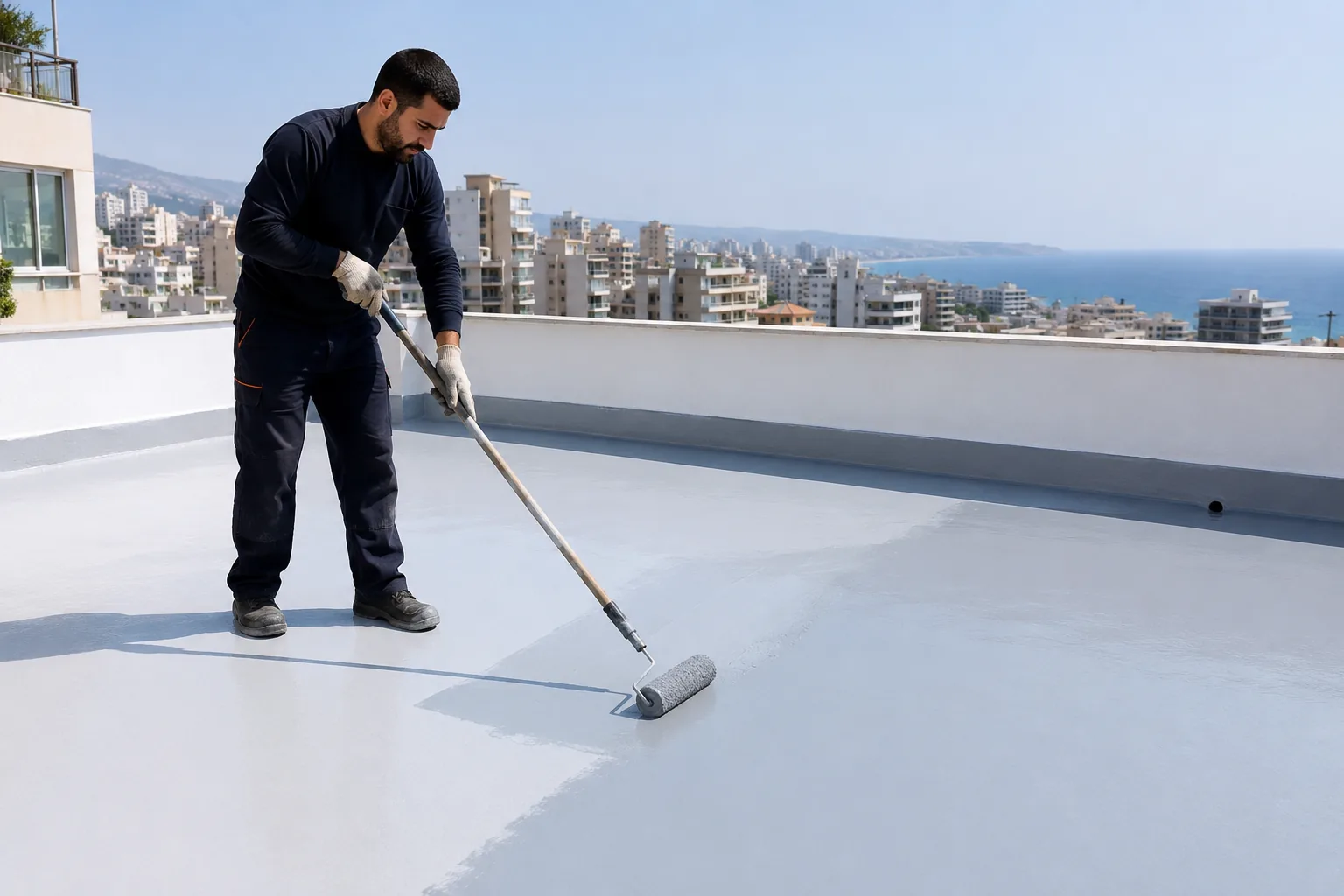
Summer — the system is under maximum load
Summer is when everything runs at once: air conditioning, water pumps, and the generator carrying more than it was sized for. It is a stress test, and it exposes weaknesses worth acting on rather than enduring.
- Keep condenser units clear. Nothing stacked against them, nothing enclosing them. Airflow is free efficiency.
- Watch for voltage symptoms. Lights dipping, motors labouring, appliances restarting. These are warnings, not quirks — see generator safety.
- Check the roof tank. Lid seated, no cracks, no algae. Summer sun does the damage that winter reveals.
- Rinse salt off exposed metalwork. Coastal apartments corrode railings, brackets and condensers noticeably faster.
Twice a year, regardless of season
| Job | Why it belongs on a schedule |
|---|---|
| Electrical panel inspection | Loose terminals arc quietly for months. Thermal and visual checks catch them while they are still cheap. |
| Water pump and pressure vessel | Pumps fail gradually. Cycling behaviour changes long before they stop. |
| Drain and stack check | Slow drainage upstream of a blockage is a warning; a full block is a callout. |
| Silicone and grout in wet areas | Five minutes of inspection protects the substrate underneath. |
| Smoke and gas detection | Batteries and sensors expire. Test them on a date you will remember. |
Reactive work is always more expensive than the same work done on a schedule, because by the time it is reactive, something else has been damaged too.
Why we push maintenance contracts
For buildings, offices and clinics we run this as a contracted programme rather than a checklist you have to remember — see BaytiFix for business, or the full list of divisions if you want to tackle it piece by piece.
Roof and balcony drainage before the rains. It is the cheapest item on the calendar and the one behind the most expensive winter callouts.
For an apartment, scheduled seasonal visits usually make more sense than a contract. Contracts earn their keep for buildings, offices, clinics and shops.
Condensation appears on cold surfaces and in poorly ventilated corners, and it improves with ventilation. Ingress tracks the weather and often follows a line or a joint.
Yes — that is the point of a general contractor. Plumbing, electrical, HVAC, waterproofing, painting and civil works under one accountable scope.
Need it done, not just explained? Turnkey renovation contractors in Beirut - Every trade under one contract. WhatsApp us now
All articles · Book on WhatsApp: +961 76 480 946